
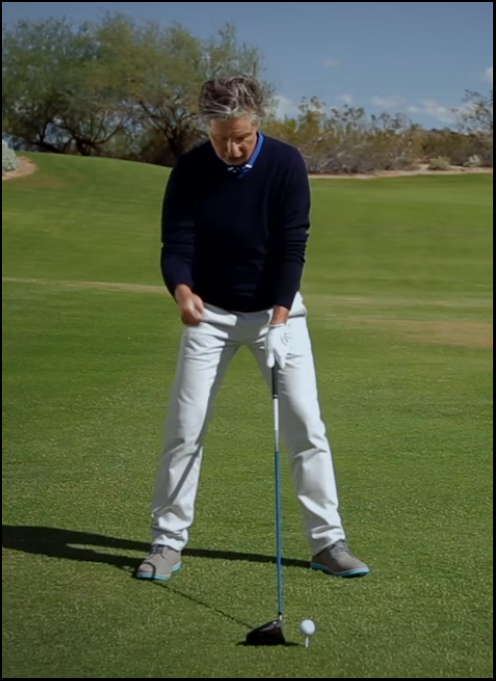
 I found this pretty good short clip from Brandel Chamblee on the Classic Golf Swing pivot – although he can be rather controversial on television and a little contradictory at times (he’s always loved and praised Tiger Woods’ various swing models, all of which are Modern and completely unsound as TW’s injury list can attest to), he is pretty sound on swing mechanics, generally speaking.
I’ll say right now about the title – I don’t believe in “magic moves,” as that implies there is something special about swinging a golf club when it’s simple stance and mechanics – any “magic move” is nothing more than mechanically-sound motion.
Just about everything he says in this clip is bang-on proper Classic mechanics & principles (those of you who were around before the pandemic will remember that I reviewed his book “Anatomy of Greatness” at his editor’s request, I’ve reposted that), but I’ll quibble with two things that he says.
I no longer have my Twitter account, having closed it a couple of years ago (I just can’t stand social media), but around that time, he acknowledged my efforts to re-educate people on the Classic Golf Swing:

Back to the video clip and my comments below it:
First – he is quite correct in saying at 1:03 of the clip, “There are two ways to generate speed in a golf swing – with gravity and with muscles…”
However, he is missing a 3rd (actually the very first component in importance, because it is more crucial than gravity or muscle power), which is Leverage.
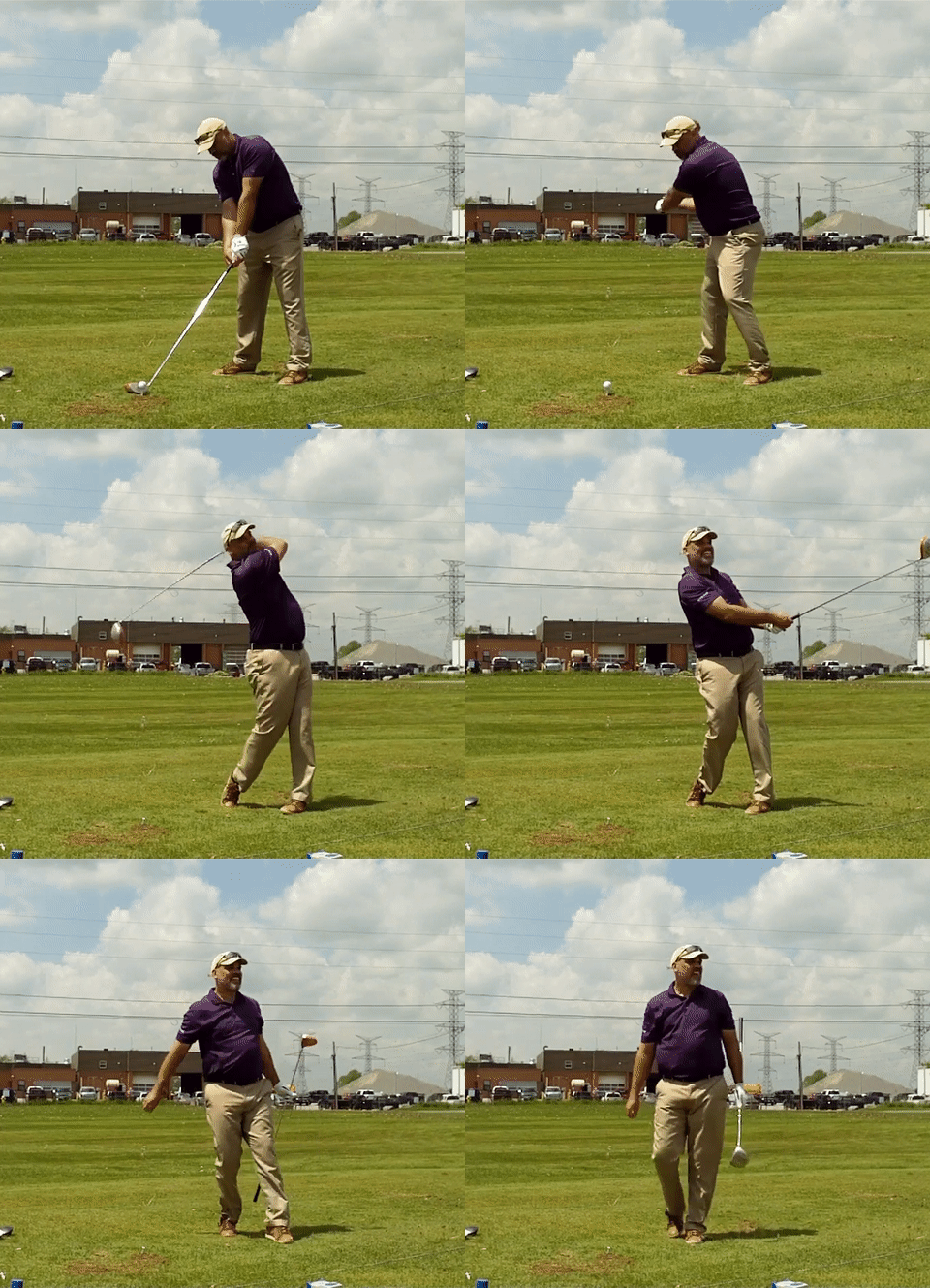
Leverage, as you’ll remember my saying, is how I swung a Momentus Heavy Driver and created ball speeds with it around the Tour average ball speed in 2017, without any worry of injuring myself, because I swung it using Leverage which I combined with muscles and gravity:
Second point, I heartily disagree with and would discourage Brandel’s advice to “move off the ball a little,” at around the 2:47 mark – I will even point to the great Ben Hogan, whom Brandel holds in very high regard, as an example of why you don’t want to move off the ball:

Hogan did not move off the ball, as you can see his right hip never breaks the vertical red line I placed before he begins his back swing pivot. There is of course the straightening of the right leg and turning of the hips, but no lateral “move off the ball,” and if Hogan didn’t do it, I would advise not to either, as his pivot was the one I coined the “Perfect Pivot.”
You see Rory McIlroy moving off the ball in his pivot (his left hip is where the vertical blue line is at address, and moves to the red line), and when you do that:
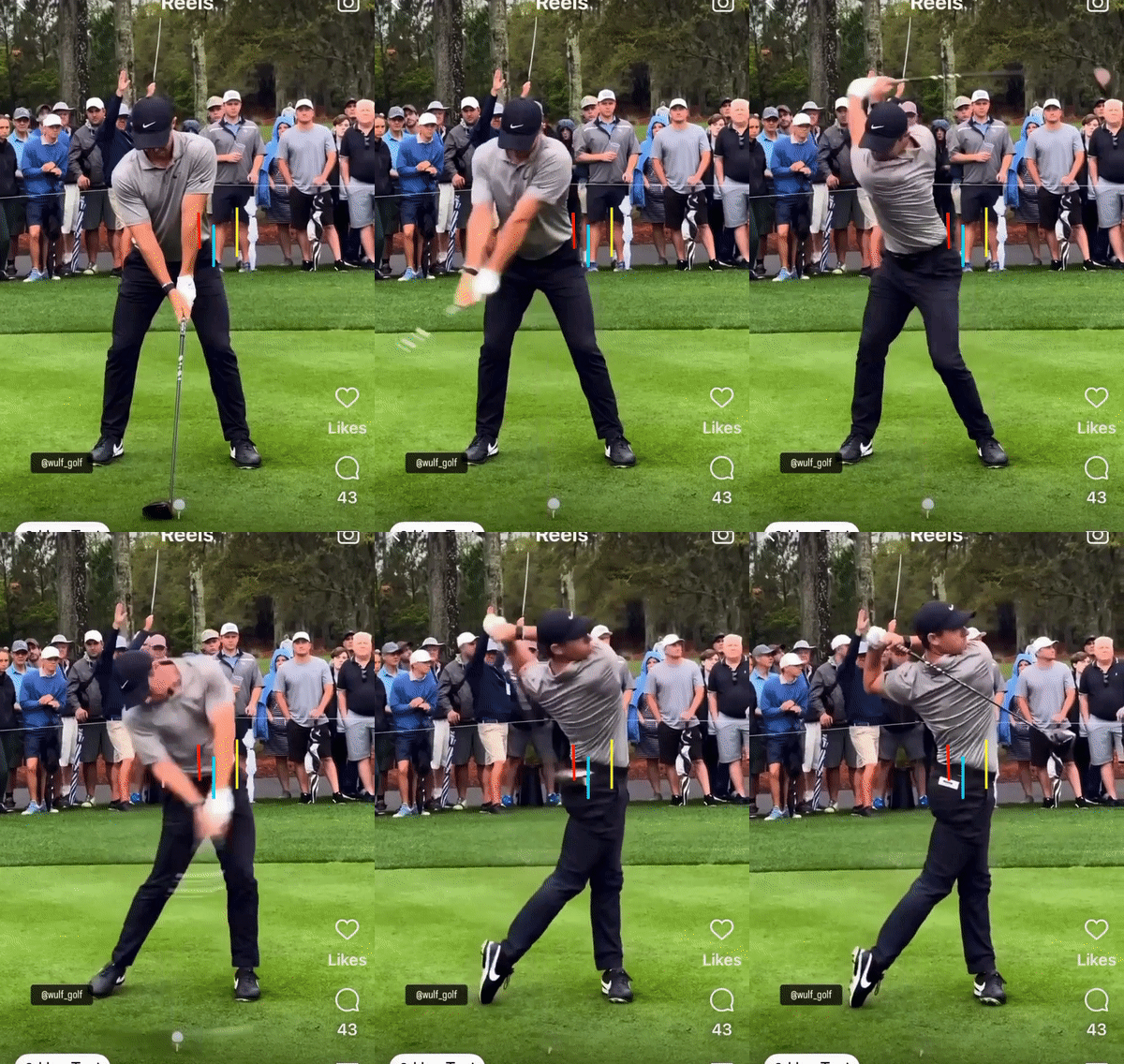
… you introduce the element of having to use more hand-eye coordination to strike the ball solidly – not even Rory, who is among the best athletic swingers on the planet, had the hand-eye to hit more than 53% of his fairways last season, which I believe is due to this shift off the ball and then back towards the target.
So, why introduce an element that is not required, when the simpler the model is, the more efficient and repeatable?
The answer is, you don’t.
Very good points from Chamblee in this video clip however, even with my differences with him on those two points.
 WAX Golf