
 Having struggled for years with an over the top down swing, I’d like to share some trouble-shooting tips for those who are still having issues with it even though they have been following MCS Classic Golf Swing principles (or think they are).
That part in brackets is not a dismissal or put-down of one’s efforts – I myself, even though I built the MCS Classic Golf Swing model and have improved many others’ swings doing so, have struggled with thinking I was adhering to MCS principles when I wasn’t.
Going back to my last video series, the first of which was the “E = MCS” video from six years ago, let’s make sure everything is in order and see if we can trouble-shoot some OTT issues.
First and foremost, is your setup proper, which would include the grip and ball position in relation to the stance:
Face-On
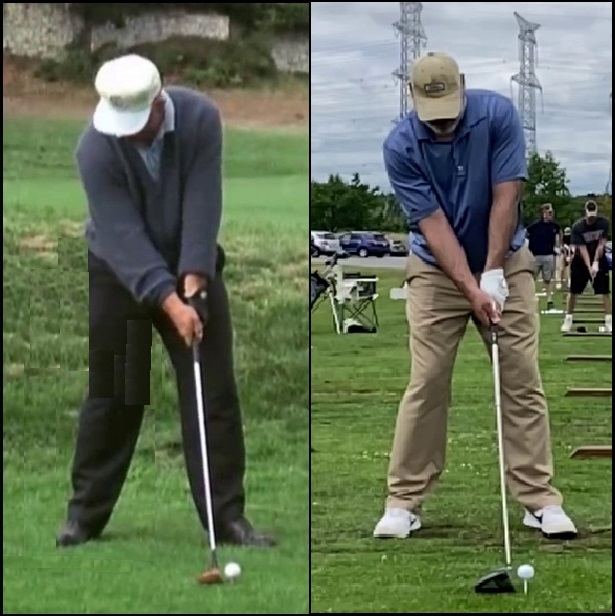
- When building the setup, are you getting over the ball with shoulders square to the target line?
- When you take your trailing hand position on the club, are you making sure the shoulders aren’t opening in order to take the grip?
- If so, ensure to follow the procedure of letting the trailing leg “kick in” and the trailing shoulder drop to ensure proper placement of the trailing hand on the grip!
- Are you in the proper “Leaning A” weight balance? When you make a practice back pivot, is your head moving or staying stable? If not, adjust your balance.

Down The Line
- Are you setting up close enough to the ball that you’re not reaching out with extended arms or bending over the toes? If you are, the ball is too far away from you.
- Are you standing tall and relaxed, weight over the feet? If not, adjust.
- Once you’ve made any adjustments, are you still square to the target line in the natural setup, with the shoulders?
Pivot
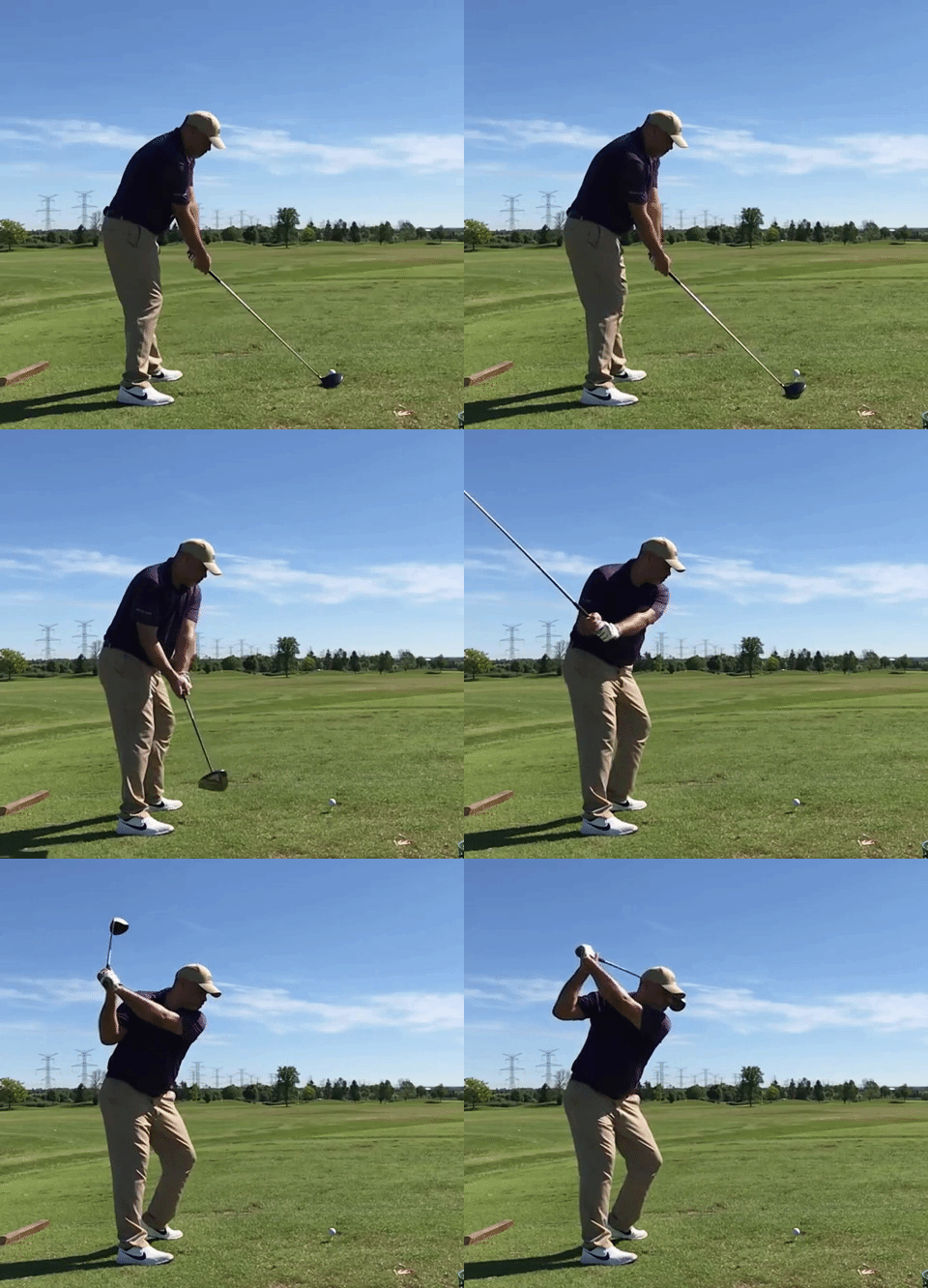
- Very, very important, since this is a Classic Golf Swing model – are you making the pivot with your hips and legs instead of lifting the club with the hands and arms and trying to make a shoulder turn?
- Key thought on the back pivot – avoid using the hands and arms when beginning the pivot action, until the hips and legs have given you enough hip turn (with the head stable) to get the hands and club shaft even with the body (club shaft pointing up the line and roughly parallel to the feet) before activating the hands and arms.
- Make sure you’re tilting the shoulders rather than turning them – the pivot action with turn them if you’re making the correct pivot action, and when you’ve reached the place in the aforementioned bullet-point, you then sync the “One Major Move” trailing arm action with the hips and leg to get to the top.
Down Swing
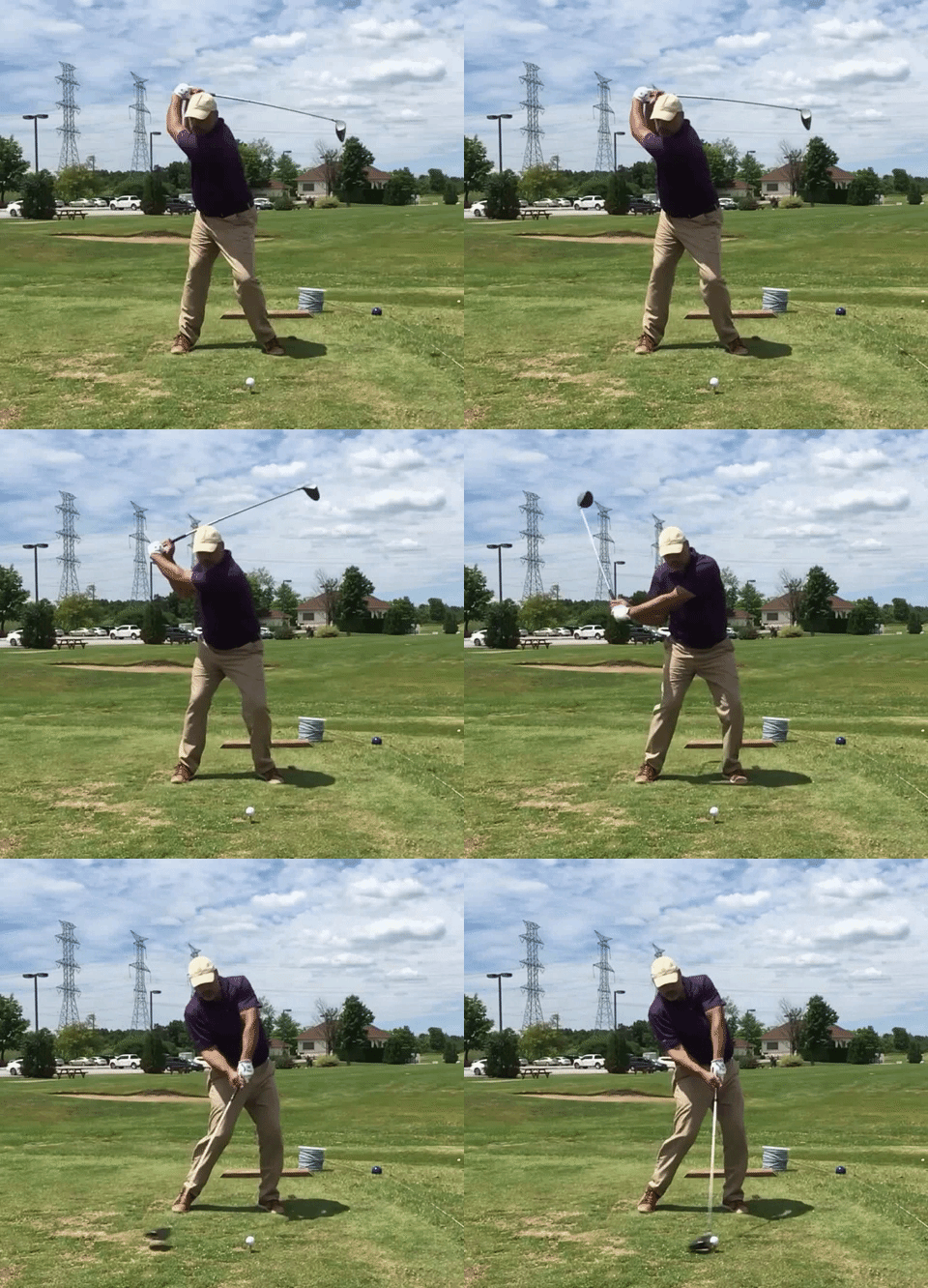
- Whatever you do, DO NOT turn to the target on the down swing action! The shifting of the weight back to the leading foot will leverage the club down to begin the down swing.
- If you need to drill this, then drill this: Keep the head stable as you shift the weight in transition and keep your head stable as the arms and club drop – if you need to look at the toe of your trailing shoe, or a spot on the ground, drill beginning the down swing without turning.
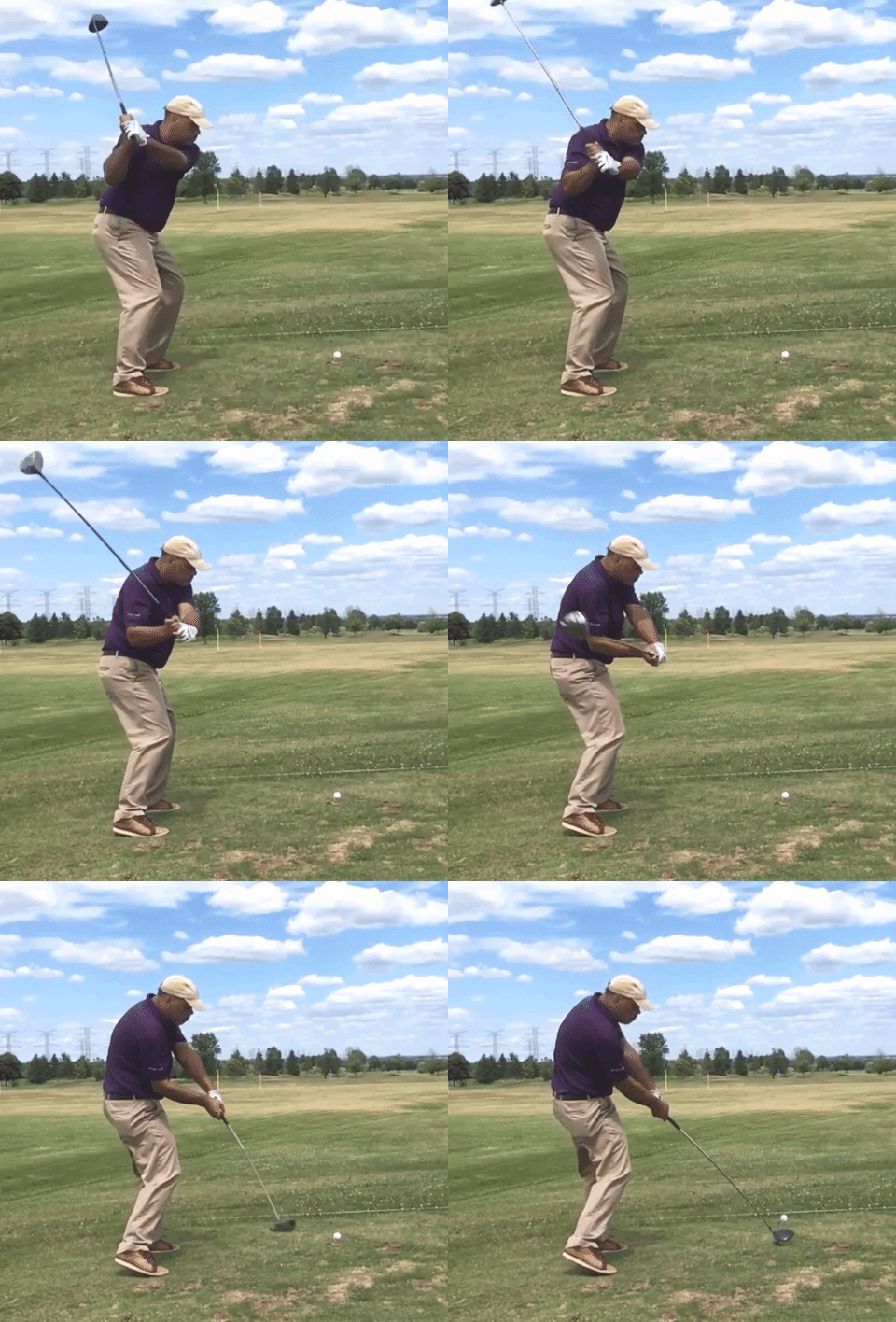
- When you get to the “3 to 9” position halfway down to “Drop & Pop,” again: Do NOT turn to the target – let the arms and club drop and the club release. The momentum of the swing and the club itself will turn you around in the post-impact and follow-though stage.
- Let the swing turn you to the target instead of trying to turn to the target – get the feel of swinging down and through to the “9 O’Clock” position without letting the head move or the shoulders turn to the target, with the club releasing down and through.
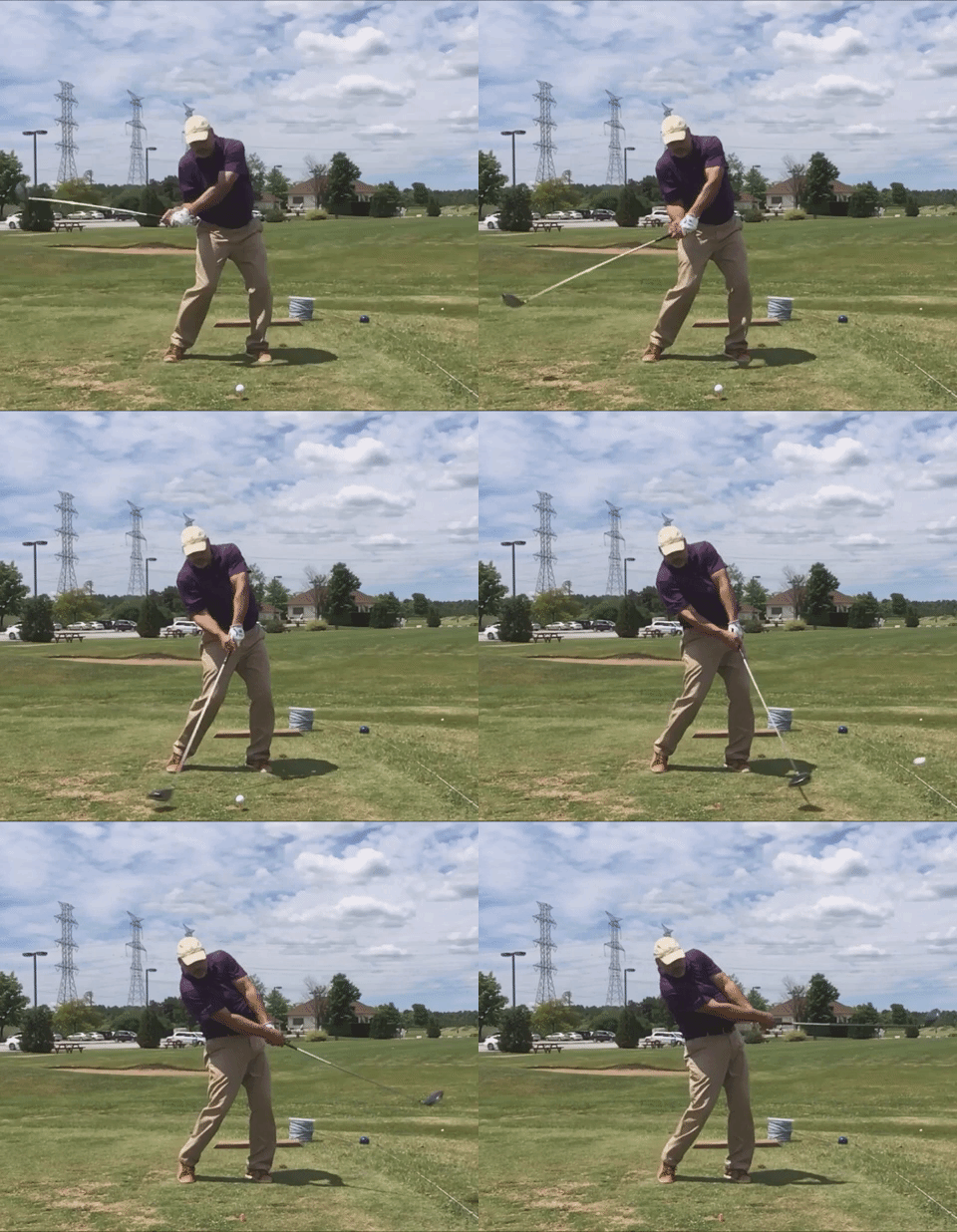
Final thoughts – the pivot using the hips and legs is absolutely crucial to get the hands and club behind your foot line – this will ensure a swing that arcs down and in to out instead of outside-in.
If you lift the club and turn the shoulders, you’re almost guaranteeing an OTT swing path as the hands and club aren’t properly behind you – if you are in this situation, remember that doing it properly will feel absolutely alien to you, but you will see how in the proper top position, the weight shift to the leading foot will leverage the club down without you having to “swing” with your shoulders, arms and hands.
It’s been a while since I’ve written any trouble-shooting posts, but this might be the most relevant and important one to the average golfer/player trying to iron out the down swing path.
Read this post carefully and as many times as you have to, to ingrain these principles – watching the “E = MCS” video in the relevant parts while you review this post certainly won’t hurt, either!
Good luck and good swinging, WAX Nation.
 WAX Golf
Thanks for this great trouble-shooting post, and please do more of them. It is so easy for me to get off track.
Very welcome, Pete – I’ll try to do more of these indeed 🙂
Hi
A trebuchet drop from the top all in one with a throw well into the follow through will address OTT particularly if the lead shoulder/arm initiate the downswing with an in to our arc .The swing is rotationally around the spine and the lead and trailing arms should not separate in the downswing .
Succinctly put, Solo.
I might one thing to that – ensuring an aggressive weight transfer into the leading foot to begin the transition, and Trebuchet-Drop away!
Agreed. A very full weight transfer from the top of the backswing (in my case induced by a slight flex of both the lead and trail legs) which propels the trebuchet drop and from there it’s down down and down through the hitting area and onwards to a full follow-through.
Practice the swing in reverse from a very full follow-through, you will be surprised just how forcefully the hands and arms are led through the hitting area and into the full backswing.
When do you down swing is executed correctly you will truly see that it is effortless.
Effortless, the magic word.
The key to the whole thing is the action of the hips & legs, which the modern sport has eliminated or severely bastardized with the whole “restricted hip” malarkey – once people realize where power really comes from, the impulse to hammer the ball with the hands and arms disappears completely. And that will go a long way to eliminating the OTT.
Yes, of course. And always keep the upper body behind the lower half up to and through impact. Otherwise the effect of the power-base is lost , i.e. stay behind the ball.