
 We had the discussion earlier in the week about the finishing position and balance, and I only had to take a quick glance at the older Classic Golf Swing greats to see how the modern game and instruction have skewed the finish, to the detriment of those being taught so.
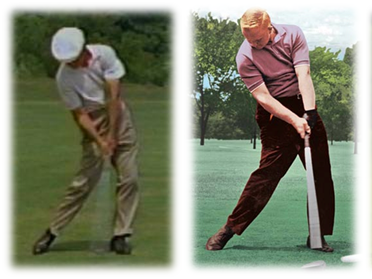
I was saying as far back as 2014 that the natural and most powerful impact position had the swinger’s head at or around the trailing knee with the spine tilting away from the target, calling the setup and impact positions the “Leaning A,” for the old-timers here.
My first example of this was the dual picture of Ben Hogan and Jack Nicklaus at impact:
… and it stands to reason that if this is the impact position, one would finish the swing with their spine still slightly tilting away from the target, especially if one were keeping one’s balance.
So, how does this conclusion bear out? Let’s take a look… but before we do, let’s look at Tiger Woods’ instructor from 2010-2014 and his particular model, complete with finish position:
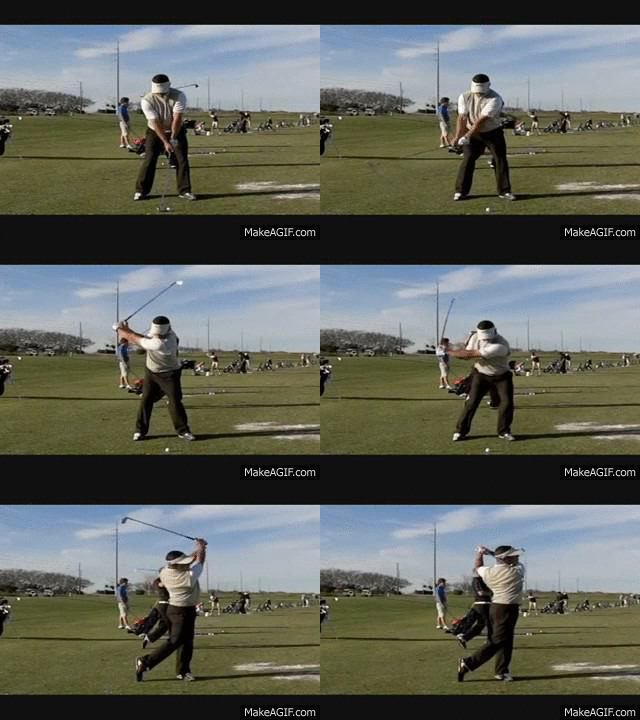
What I’d request you do is watch the swing gifs below and then come back to this above swing and ask yourself how unnatural and unbalanced it all looks.
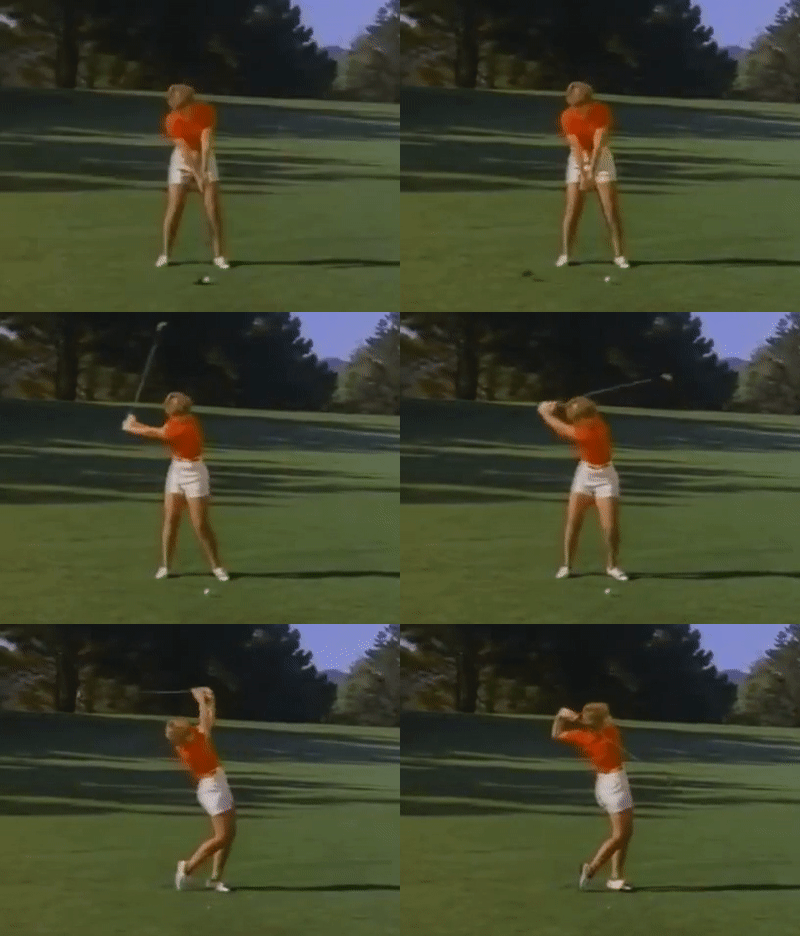
Now, some great swingers with the backward-tilted spine at the finish:
Young Jack Nicklaus

How about an older Jack Nicklaus?
Jack Nicklaus 1963 Masters

Let’s check out another legendary swinger, Patty Sheehan:
Patty Sheehan
Ben Hogan used to have a backward tilt in his finish in his younger years:
Ben Hogan

… and in fact, there was a finishing position in the Classic Golf Swing era that was called the “Reverse-C” finish, and this was caused by two things, the first being the natural backward spine tilt and the failure to release the trailing foot, which kept the weight from shifting more forward.
If there was anything that was harmful to swingers’ backs in the Classic era, it wasn’t the swing action, but that Reverse-C finish position. I’ve never understood the need today or yesterday to “stick the finish” in an awkward position rather than a balanced one, but here we are.
The problem can be alleviated by letting the trailing foot release, which takes the load and potential strain from the lower back as Hogan did in his later years:

There are other sliding-foot release golfers from the Classic Era other than Hogan and Sheehan above.
You also had Payne Stewart:
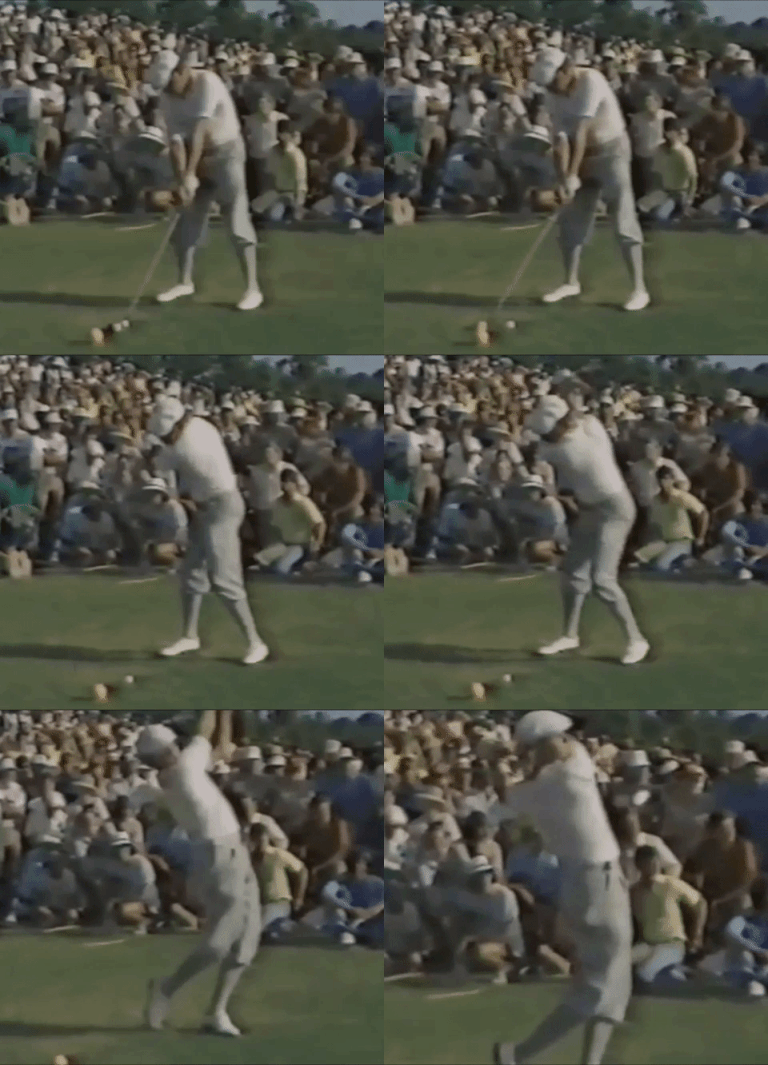
… and don’t forget the greatest driver of the ball ever from the persimmon era, Greg Norman with the foot slide release:
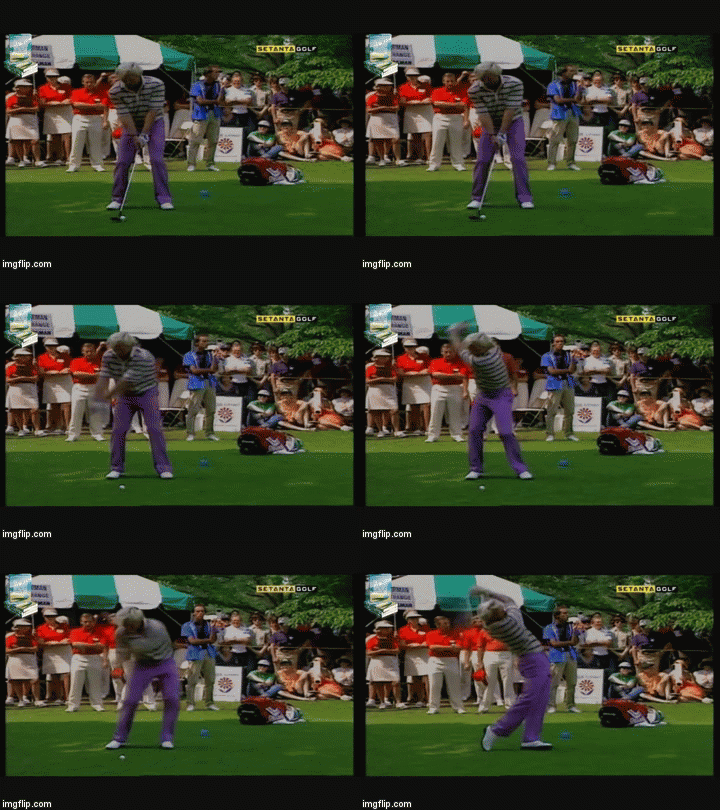
There is a reason you see this move among many of the greatest swingers – it’s a natural and athletic response to the swing action that has one shifting weight to the leading foot to begin the down swing, and the twisting force caused by the club and arms swinging down and through.
In other words, it’s far from a swing flaw – not releasing that trailing foot is a swing flaw, and I wonder at times if Jack Nicklaus’ hip replacement surgeries were necessitated in small or large part to his own failure to release the trailing foot on the finish.
That’s a lot of strain on the hip and knee joints, as you can see in Jack’s forced hyperextension of the leading leg because the trailing leg didn’t release:
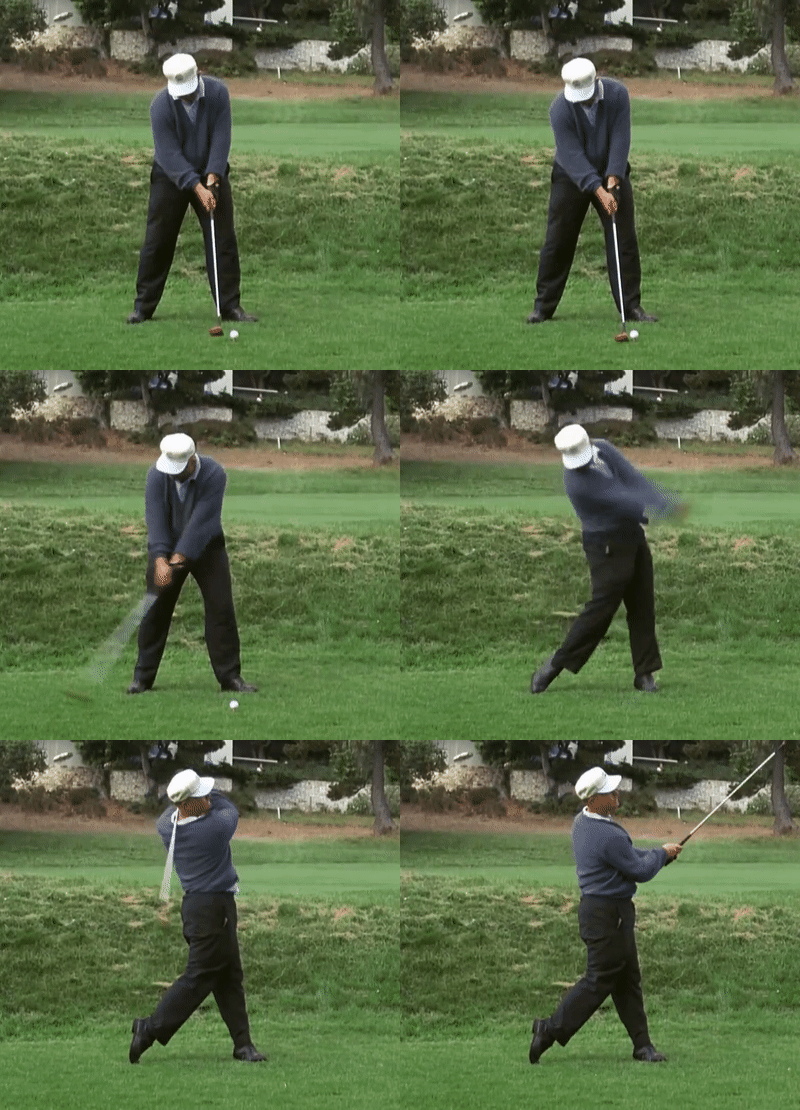
I myself kept my trailing foot anchored when I was beginning my swing research journey:
DJ – 2007
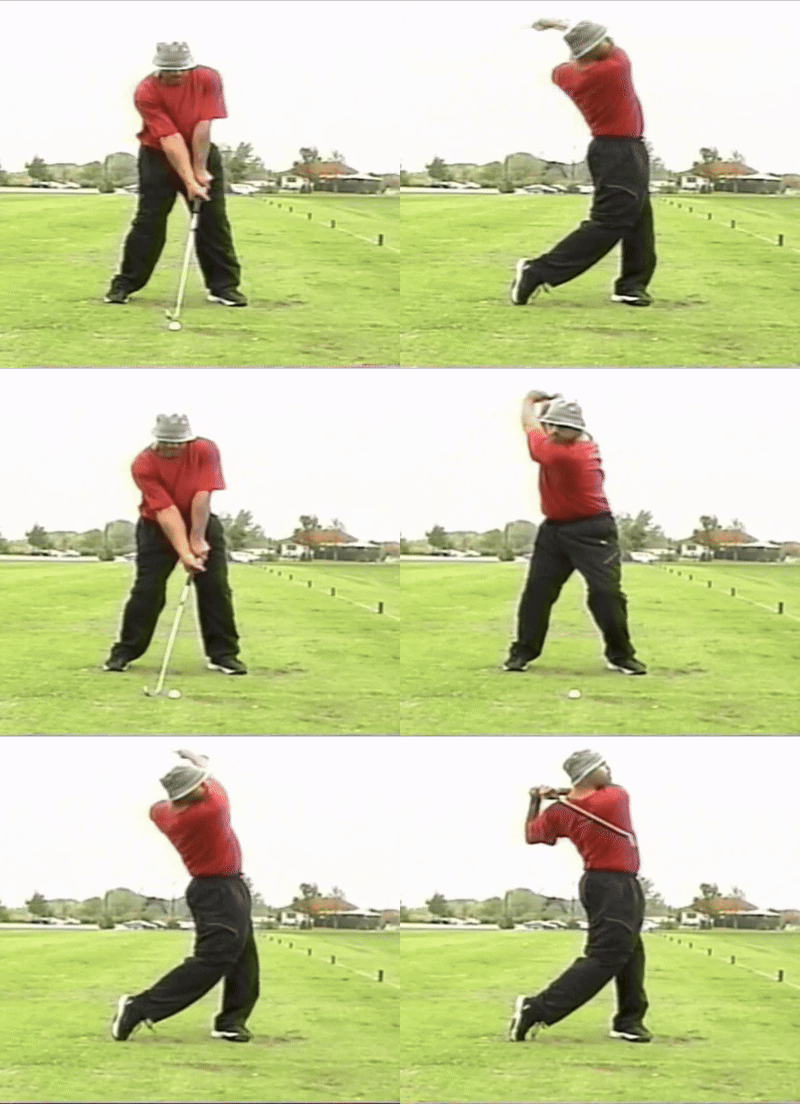
… but I figured out very early on in my swing research (2008) that it was not athletically optimal due to having played several sports in my youth and having an instinct to avoid things that may cause injury – since then, I have always released the trailing foot :
DJ – 2015

… but more recently, I have adjusted my swing mechanics with a lot of work and my trailing foot release is now a delayed “step-around” finish, because my impact position is still a tilted-spine position:

… and the exact reason for that delayed “step-around” is to release the straining force on the trailing leg and lower back, but even with the release, there is still a slight backward tilt in my body at the finish:

There is no reason on this planet to insist on keeping the trailing foot anchored when performing a forceful athletic motion that involves turning in place, and there is no reason on this planet to finish with one’s weight over the leading foot:

… unless that shift onto the leading foot is accompanied by a releasing trailing foot, in which case one finishes on the leading foot but in a balanced position:
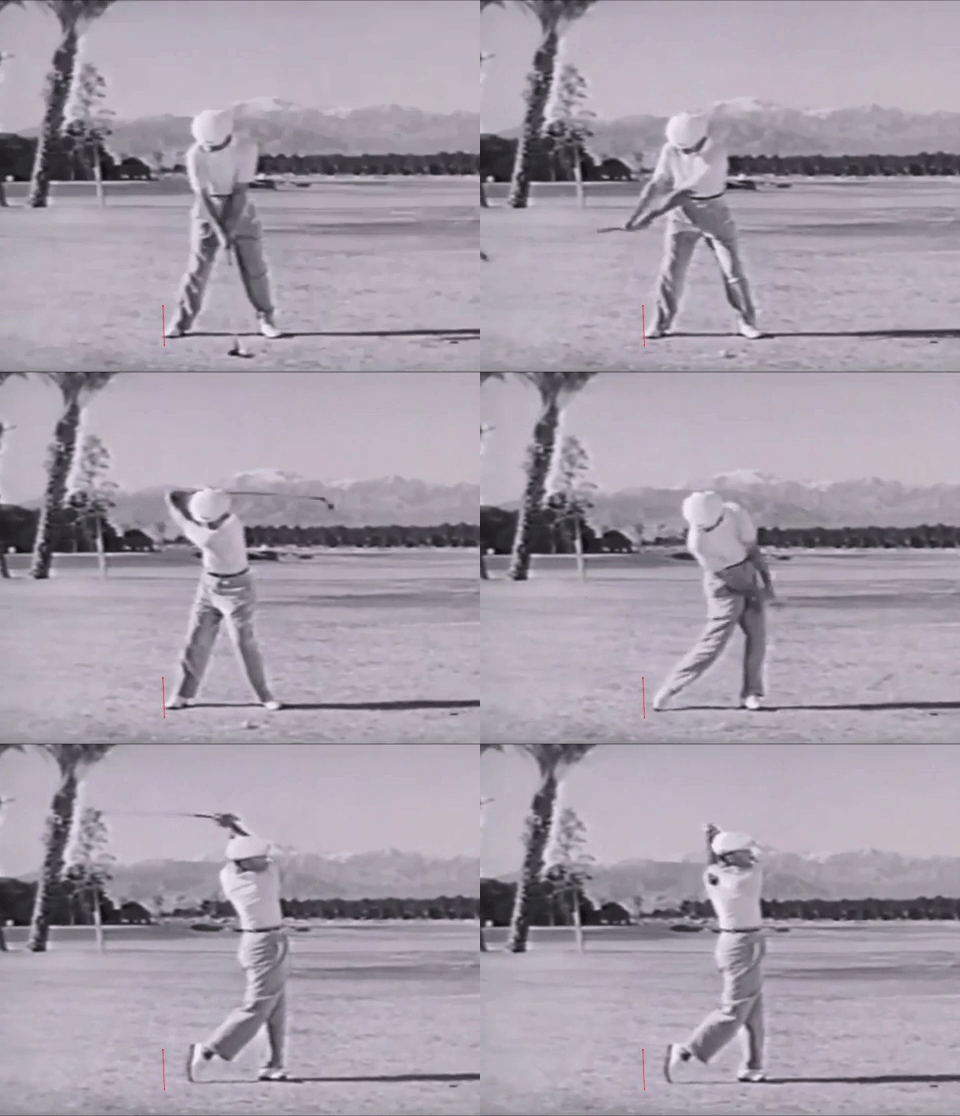
… although looking at this Hogan swing above, it is the least athletic of any of his swing iterations over the years, probably late into his middle age.
The name of the game, my friends, is to make your golf swing natural and athletic but also to avoid unnecessary risk of injury due to unnatural motion or positions.
It will not only make you a better golfer, it will allow you to play golf well into your golden years.
 WAX Golf